An Amazon of forests, rivers and people
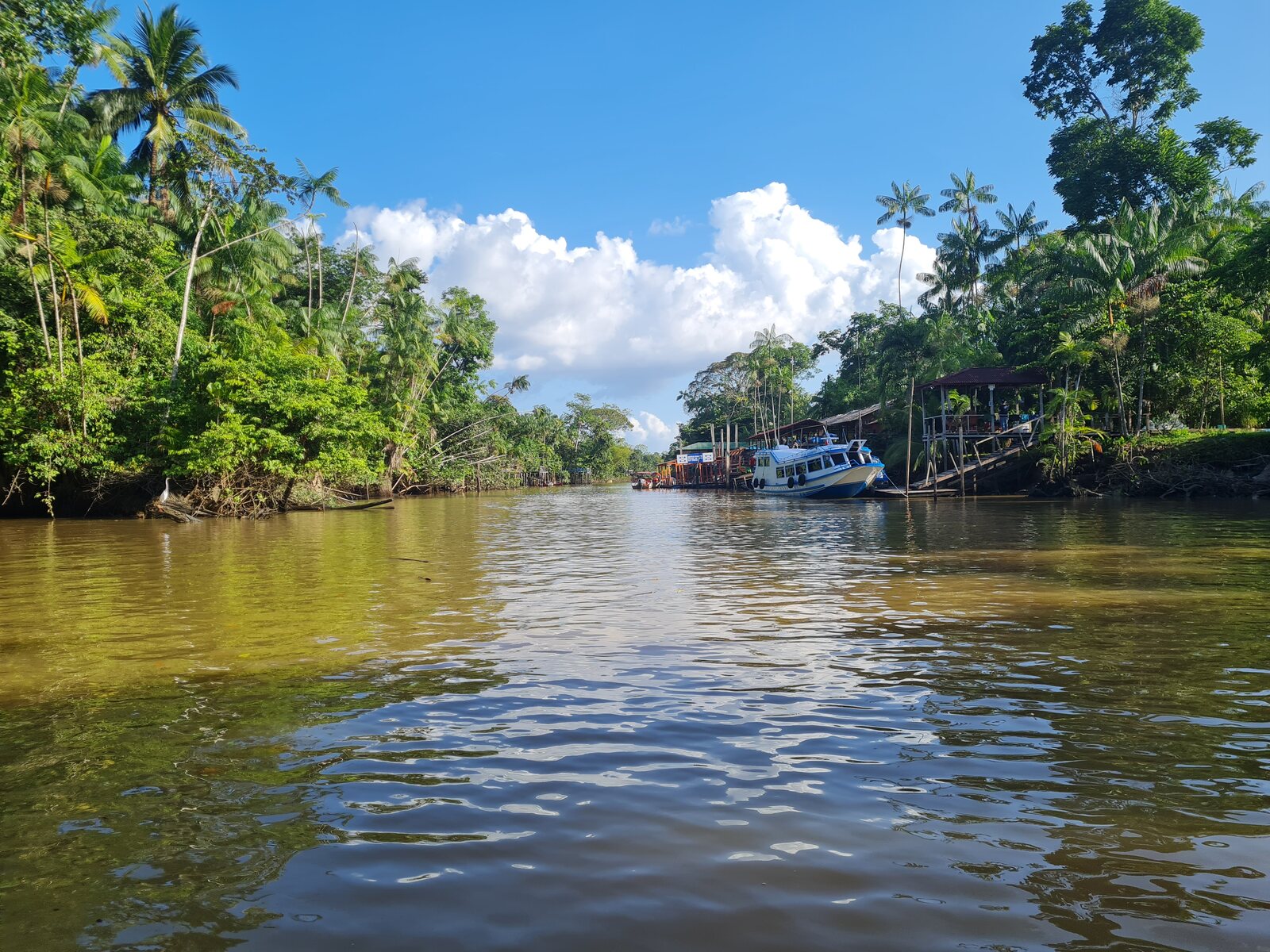
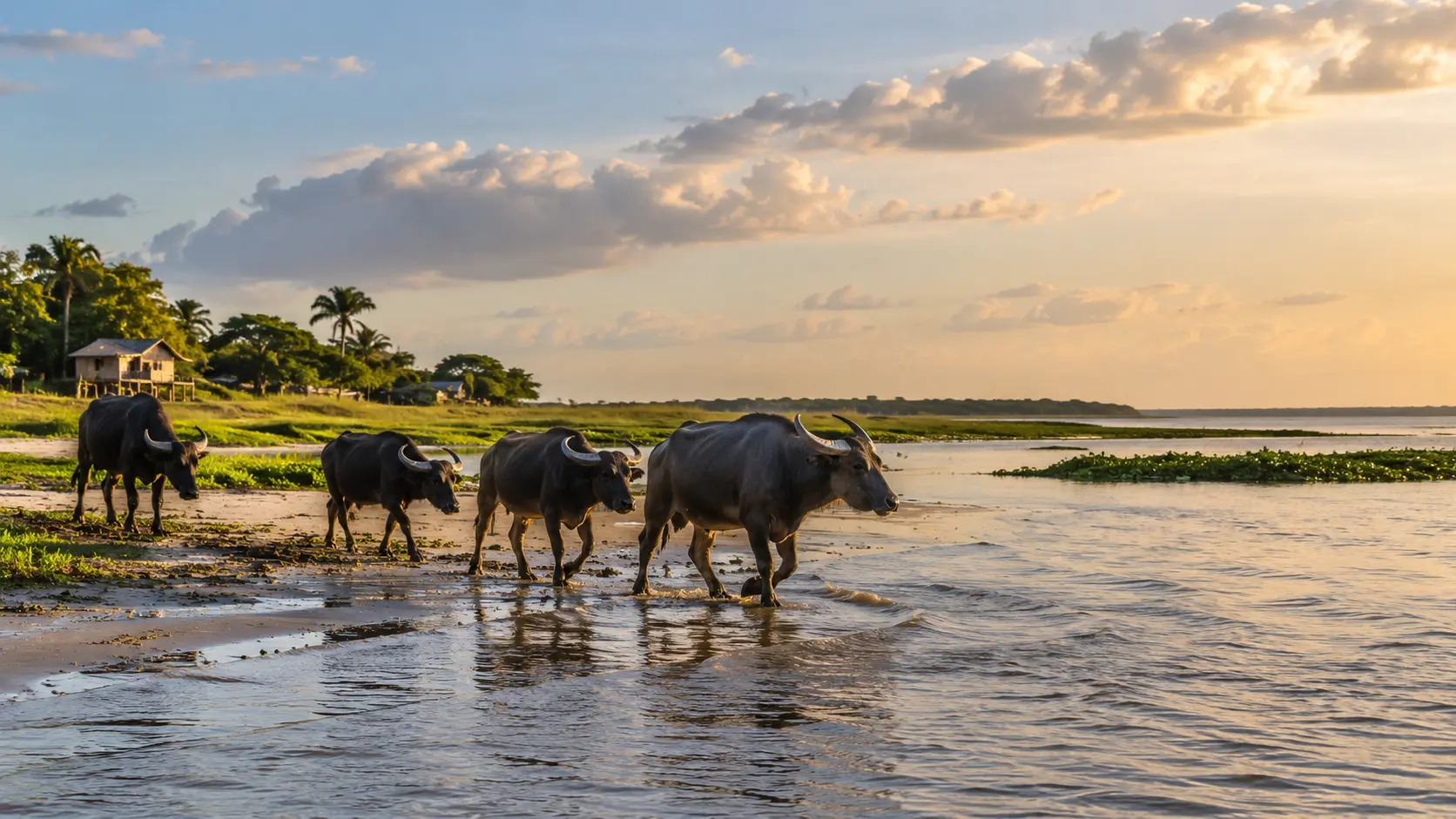
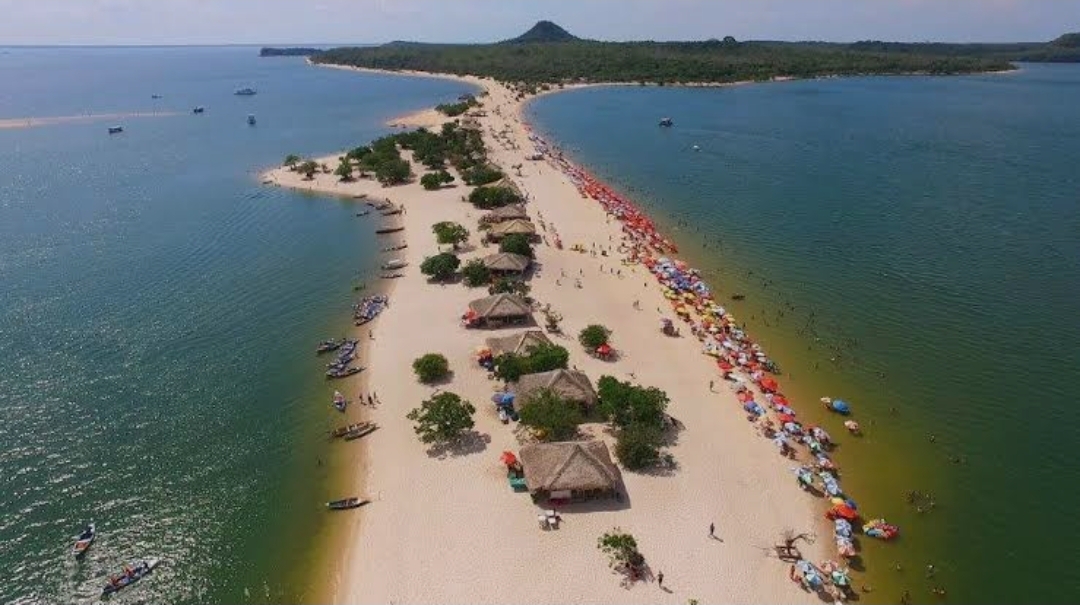
The Amazon is a South American region that extends beyond Brazil’s borders. Forests, rivers, wetlands and varied landscapes form interconnected environments. It is also a place of homes, work, science and culture: discovering the Amazon means learning about the people who live there.
Why the Amazon matters to Brazil and the world
Amazonian biodiversity includes a great variety of plants, animals and other organisms that scientists continue to study. Conserving these environments protects habitats and water resources. Forests play a role in water and carbon cycles; deforestation, fire and climate change affect this balance, with consequences for ecosystems and people.
Peoples, communities and knowledge
Indigenous peoples, riverside and quilombola communities, and urban populations are all part of the Amazon. Their histories and ways of life are diverse and should not be treated as a single culture. Traditional knowledge of food, plants, rivers and land management is part of this richness. Respect communities’ autonomy, ask permission before taking photographs and arrange visits with your hosts.
Belém: a gateway to the Brazilian Amazon
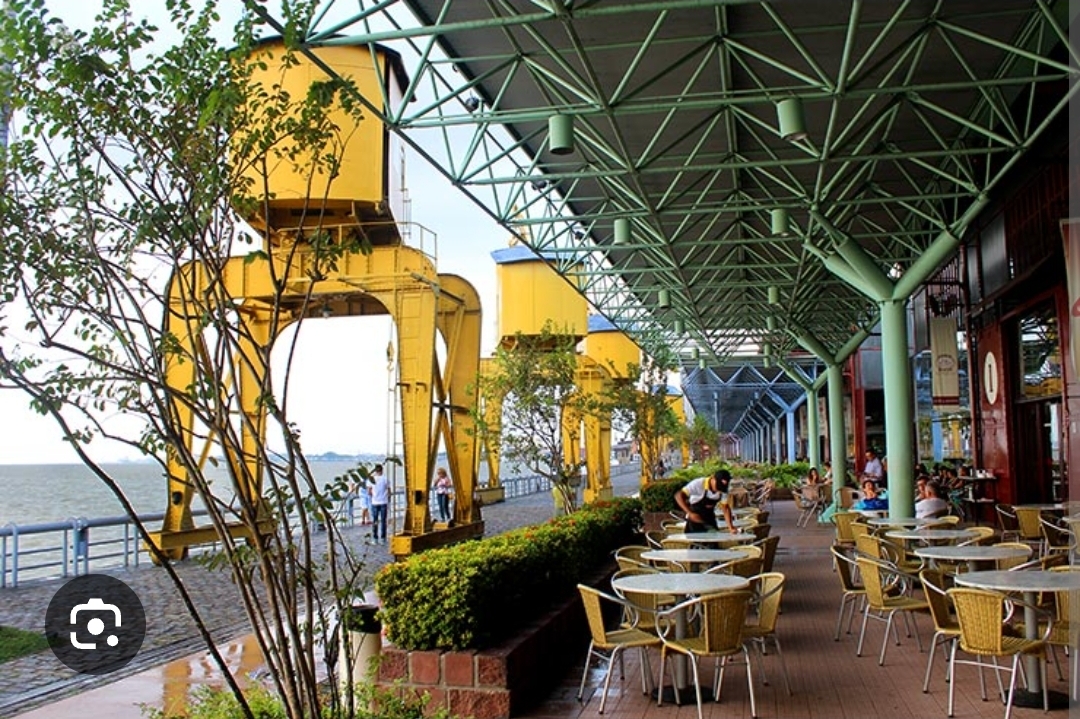
Pará’s capital introduces visitors to Amazonian food, markets and landscapes. Ver-o-Peso, cultural venues and local meals offer opportunities to discover regional products and stories. Belém can be a base for part of your trip, but the Amazon is vast: each destination needs its own planning.
Flavors connecting forest and city
Açaí, cupuaçu, bacuri and cacao are among the flavors associated with the region. Cassava, tucupi and jambu also feature prominently in Pará cuisine. Learn where foods come from, talk with producers and local cultural hosts, and explore the restaurants listed on the portal.
Travel with respect and a plan
Look for services and experiences that value local residents and follow visitor rules. Confirm access, departure arrangements and outing conditions with the operator. Do not feed wildlife or remove plants or other natural materials. Take your waste with you and respect restricted areas. Responsible tourism starts with information and listening to the people who live there.